
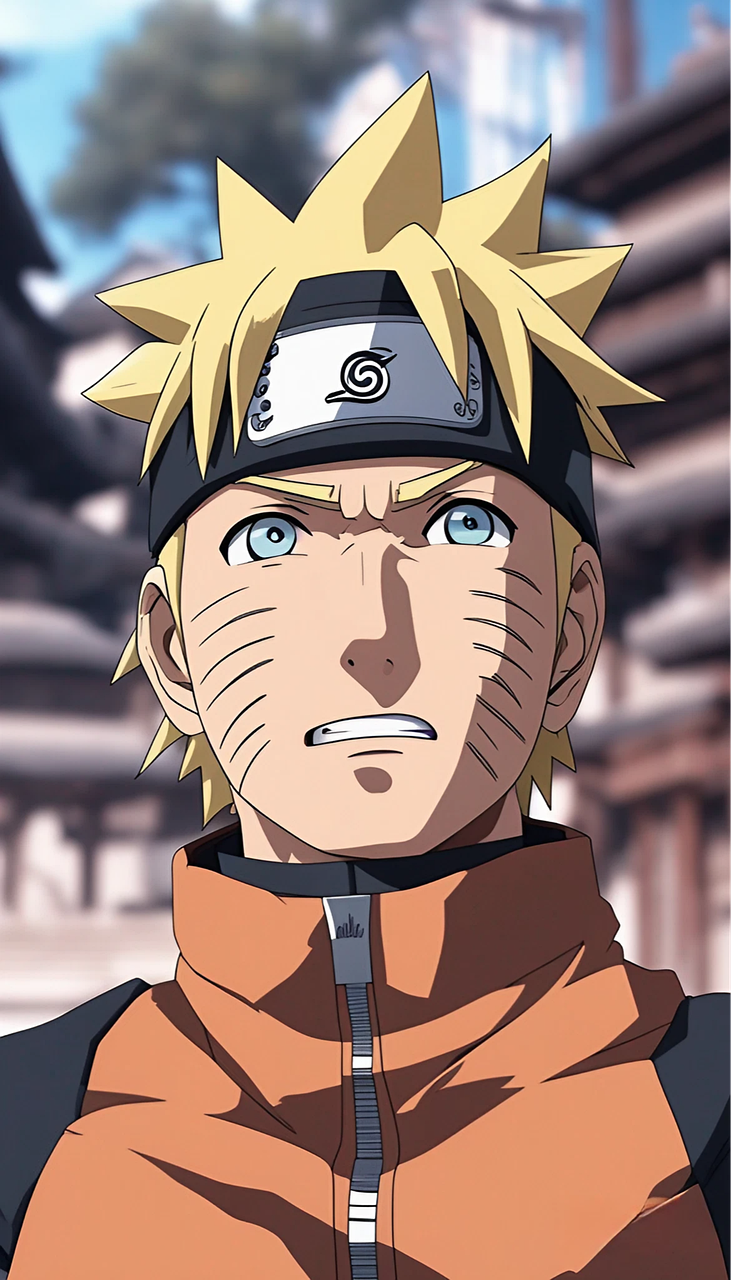
All Naruto Jinchūriki & Their Tailed Beasts(2025)– The Complete Master Guide
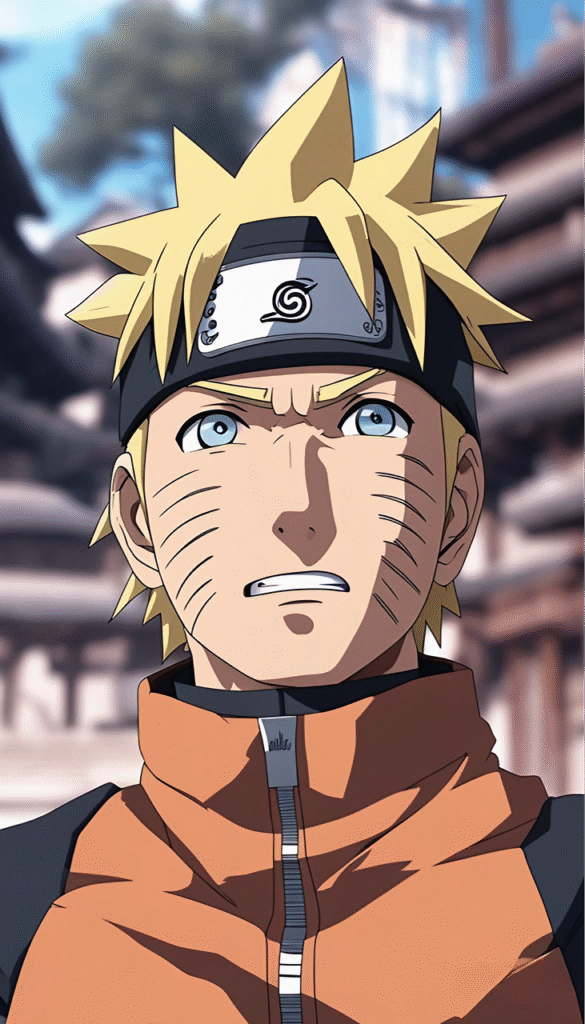
The shinobi world of Naruto is defined not just by great clans, forbidden jutsu, and legendary battles—but also by the mystical Tailed Beasts (Bijuu) and the humans chosen to contain them, the Jinchūriki.
These individuals are not mere warriors. They are living weapons, forced to carry a burden that isolates them from society, while simultaneously making them the centerpiece of world-shaking conflicts. Their very existence embodies Naruto’s deepest theme:
“Even the most cursed fate can be transformed into a source of strength and hope.”
From Gaara’s tragic isolation as the One-Tail’s vessel, to Naruto Uzumaki’s evolution into the strongest shinobi in history, every Jinchūriki story is a tapestry of pain, survival, and triumph.
This page is the central hub for everything related to Jinchūriki. Here, you’ll find:
- ✅ Complete list of all Jinchūriki & their Tailed Beasts
- ✅ Village-wise categorization of hosts
- ✅ Deep dives into lore, abilities & history
- ✅ Connection to major Naruto arcs & wars
- ✅ FAQs and expert analysis with canon + databook insights
📖 Think of this hub as the encyclopedia of Jinchūriki in Naruto — not just a list, but the authoritative guide for fans, researchers, and anime historians.
Table of Contents
What Does “Jinchūriki” Mean in Naruto? (Canon Breakdown)
In the shinobi world of Naruto, the term “Jinchūriki” (人柱力) literally translates to “the power of the human pillar.” It defines both the role and the burden placed upon those chosen to contain the mystical Tailed Beasts (Bijuu). More than a title, it embodies a cultural, political, and spiritual concept that shaped shinobi history.
Canon Meaning & Etymology
Kanji Breakdown:
人 (Jin) → Human / Person
柱 (Chū) → Pillar / Foundation
力 (Riki) → Power / Strength
Put together, Jinchūriki means “human pillar of power” — a living weapon supporting a village’s military might.
📖 Databook Reference: In the Naruto Official Character Databooks, Jinchūriki are described as “sacrificial pillars” whose existence ensures balance among nations through control of Bijuu.
Historical Origin
The concept began with the Sage of Six Paths (Hagoromo Ōtsutsuki), who split the Ten-Tails (Jūbi) into nine separate Tailed Beasts. Centuries later, during the First Shinobi World War, Hashirama Senju (First Hokage) captured several Bijuu and distributed them among the Five Great Nations as political tools to maintain balance.
First Recorded Jinchūriki: Mito Uzumaki, wife of Hashirama, who sealed the Nine-Tails within herself after the battle against Madara Uchiha (Naruto Chapter 399).
Thus, from the very beginning, Jinchūriki were seen less as people and more as sacrificial containers for village security.
Village Treatment & Political Symbolism
The life of a Jinchūriki depended heavily on their village’s culture and leadership:
- Konohagakure (Hidden Leaf):
- Naruto Uzumaki suffered childhood isolation and hatred.
- Seen as a threat rather than a protector until he proved himself in battle.
- Sunagakure (Hidden Sand):
- Gaara was weaponized by his father, the Fourth Kazekage.
- Feared even by his own family; treated as a monster until his redemption.
- Kumogakure (Hidden Cloud):
- Killer B was uniquely respected, forming true harmony with the Eight-Tails (Gyūki).
- An example that Jinchūriki could be both protectors and proud shinobi.
- Kirigakure (Hidden Mist):
- Infamously brutal, using Jinchūriki as disposable weapons of war.
- The Six-Tails’ host, Utakata, fled to escape persecution.
This contrast reveals how Jinchūriki symbolized both the flaws and the philosophies of their villages.
Canon Examples of Jinchūriki Identity
- Naruto Uzumaki (Nine-Tails):
- Rejected and feared, yet transformed the curse into a bond with Kurama, redefining what it means to be a Jinchūriki.
- Gaara (One-Tail):
- Embodied the pain of isolation until he turned his suffering into strength, rising as the Kazekage.
- Killer B (Eight-Tails):
- The rare case of mutual respect and cooperation between human and beast, proving coexistence possible.
Why the Term Matters in Canon
The word Jinchūriki carries far more meaning than a label:
- It represents the sacrificial foundation of a village’s power.
- It exposes the flaws of the shinobi system, where fear and military dominance outweighed humanity.
- It set the stage for Naruto’s ultimate mission: to break the cycle of hatred and prove that Jinchūriki are not weapons — but heroes.
Full Jinchūriki & Tailed Beasts List (Chronological + Canon Sources)
The following table compiles every known Jinchūriki in Naruto, paired with their Tailed Beast, village affiliation, and canon status. This is not just a list — it’s a navigational index. Each profile link takes you to a dedicated character journey page where you’ll find their abilities, battles, backstory, and key moments.
| Jinchūriki | Tailed Beast | Village | Status (Naruto → Boruto) | First Appearance (Chapter / Episode) | Jinchūriki Profile Link |
|---|---|---|---|---|---|
| Mito Uzumaki | Kurama (Nine-Tails) | Konohagakure (Leaf) | Deceased (First host of Kurama) | Chapter 500 (Flashback) / Ep. 247 | [Mito Profile →] |
| Kushina Uzumaki | Kurama (Nine-Tails) | Konohagakure (Leaf) | Deceased (Second host of Kurama) | Chapter 500 / Ep. 246–249 | [Kushina Profile →] |
| Gaara | Shukaku (One-Tail) | Sunagakure (Sand) | Former host → Alive as Kazekage | Chapter 35 / Ep. 20 | |
| Yugito Nii | Matatabi (Two-Tails) | Kumogakure (Cloud) | Deceased | Chapter 312 / Ep. 72 (Shippuden) | [Yugito Profile →] |
| Yagura Karatachi | Isobu (Three-Tails) | Kirigakure (Mist) | Deceased (Genjutsu pawn) | Chapter 456 / Ep. 119 (Shippuden) | [Yagura Profile →] |
| Rōshi | Son Gokū (Four-Tails) | Iwagakure (Stone) | Deceased | Chapter 342 / Ep. 81 (Shippuden) | [Rōshi Profile →] |
| Han | Kokuō (Five-Tails) | Iwagakure (Stone) | Deceased | Chapter 342 / Ep. 81 (Shippuden) | [Han Profile →] |
| Utakata | Saiken (Six-Tails) | Kirigakure (Mist) | Deceased | Chapter 420 / Ep. 144 (Shippuden) | [Utakata Profile →] |
| Fū | Chōmei (Seven-Tails) | Takigakure (Waterfall) | Deceased | Chapter 564 / Ep. 203 (Shippuden) | [Fū Profile →] |
| Killer B | Gyūki (Eight-Tails) | Kumogakure (Cloud) | Alive (still Gyūki’s host in Boruto) | Chapter 408 / Ep. 142 (Shippuden) | [Killer B’s Full Guide →] |
| Naruto Uzumaki | Kurama (Nine-Tails) | Konohagakure (Leaf) | Alive → Lost Kurama in Boruto | Chapter 1 / Ep. 1 | |
| Obito Uchiha | Jūbi (Ten-Tails) | Former Konohagakure (Leaf) | Temporary host (Deceased) | Chapter 637 / Ep. 380 | |
| Madara Uchiha | Jūbi (Ten-Tails) | Former Konohagakure (Leaf) | Temporary host (Deceased) | Chapter 653 / Ep. 392 | |
| Hagoromo Ōtsutsuki | Jūbi (Ten-Tails) | N/A | Ancient host (Deceased) | Chapter 671 (Flashback) / Ep. 421 |
Explore the Tailed Beasts (Bijuu) – The Power Behind the Hosts
To truly understand a Jinchūriki, you must also understand their Bijuu. Each Tailed Beast is more than raw chakra — they embody mythological roots, elemental powers, and symbolic meaning within Naruto’s narrative.
Main Hub Page: Tailed Beasts Guide(2025): Naruto’s Powerful Bijuu & Their Secrets
Shukaku (One-Tail)
The sand tanuki of Sunagakure, Shukaku symbolizes instability and madness. Its powers include sand manipulation, sealing techniques, and immense durability, making Gaara’s early battles iconic.
Main Page:
Matatabi (Two-Tails)
A fiery blue demon cat from Kumogakure, Matatabi embodies ferocity, speed, and destructive flames. Yugito Nii showcased its agility before falling to the Akatsuki.
Main Page:
Isobu (Three-Tails)
The aquatic turtle-like beast of Kirigakure, Isobu wields coral spikes and underwater dominance. Feared for its resilience, it was manipulated during Yagura’s reign.
Main Page:
Son Gokū (Four-Tails)
Modeled after the Monkey King of Chinese myth, Son Gokū commands lava release and represents wild, untamed strength. Rōshi’s bond with him added layers of wisdom.
Main Page:
Kokuō (Five-Tails)
A rare horse–dolphin hybrid, Kokuō masters steam release, combining raw force and speed. Its symbolic design reflects duality and balance between land and sea.
Main Page:
Saiken (Six-Tails)
A slimy, slug-like creature from Kirigakure, Saiken exudes acidic slime and immense resilience. Its grotesque form hides its adaptability in battle.
Main Page:
Chōmei (Seven-Tails)
The insectoid beast of Takigakure, Chōmei represents luminescence and flight. With radiant chakra wings, it highlights themes of freedom and transformation.
Main Page:
Gyūki (Eight-Tails)
The wise ox-octopus hybrid of Kumogakure, Gyūki wields tentacle-based combat and sealing ink. Unlike many Bijuu, it has a strong cooperative bond with Killer B.
Main Page:
Kurama (Nine-Tails)
The most iconic Bijuu, Kurama embodies overwhelming chakra, hatred, and eventual redemption. Its story arc mirrors Naruto’s growth from outcast to savior.
Main Page:
Jūbi (Ten-Tails)
The primordial monster, the Jūbi is cataclysm incarnate. As the fusion of all Bijuu, it embodies godlike origins, reshaping shinobi history itself.
Main Page:
Jinchūriki by Village – A Geopolitical Map of Power
In the Naruto world, Jinchūriki are not just individuals — they are weapons of national power. Each shinobi village sought to secure its survival by sealing a Tailed Beast into a human host. This created a delicate balance of fear, diplomacy, and rivalry that defined the shinobi era.
🌪️ Konohagakure (Hidden Leaf)
- Naruto Uzumaki – Nine-Tails (Kurama):
- The most famous Jinchūriki, his journey reshaped shinobi history.
- Minato Namikaze – Nine-Tails (brief host):
- Sealed half of Kurama within himself during the Nine-Tails’ attack.
- Obito Uchiha & Madara Uchiha – Ten-Tails (war arc):
- Temporary Jinchūriki during the Fourth Shinobi War, changing the battlefield on a godlike scale.
🔗 Explore → [Konoha Profiles →]
Sunagakure (Hidden Sand)
- Gaara – One-Tail (Shukaku):
- Once feared as a weapon of instability, later redeemed as the Fifth Kazekage and symbol of unity.
🔗 Explore → [Sand Profiles →]
Kumogakure (Hidden Cloud)
- Yugito Nii – Two-Tails (Matatabi):
- A skilled kunoichi with mastery over the blazing feline.
- Killer B – Eight-Tails (Gyūki):
- The only shinobi to achieve perfect Bijuu control, standing as Kumo’s ultimate weapon.
🔗 Explore → [Cloud Profiles →]
Kirigakure (Hidden Mist)
- Yagura Karatachi – Three-Tails (Isobu):
- A tragic pawn under genjutsu, his reign symbolizes Mist’s dark era.
- Utakata – Six-Tails (Saiken):
- A wandering shinobi with tragic ties to his beast, reflecting Mist’s unstable politics.
🔗 Explore → [Mist Profiles →]
Iwagakure (Hidden Stone)
- Rōshi – Four-Tails (Son Gokū):
- A nomadic shinobi who bonded deeply with his beast’s fiery will.
- Han – Five-Tails (Kokuō):
- Known for his towering strength and steam-based jutsu, feared in battle.
🔗 Explore → [Stone Profiles →]
Takigakure (Hidden Waterfall)
- Fū – Seven-Tails (Chōmei):
- A cheerful kunoichi, representing her village’s rare possession of a Bijuu.
🔗 Explore → [Waterfall Profiles →]
Jinchūriki in Major Naruto Arcs
Jinchūriki are not background characters — they are the heartbeat of Naruto’s narrative tension. From the earliest exams to the cataclysmic shinobi war, their existence continuously shifts the story’s power balance, philosophy, and emotional stakes.
🔗 Dive Deeper →Complete Naruto Story Arcs Guide 2025 (Canon + Filler) – A–Z Timeline for Every Arc Explained Clearly
Chūnin Exams Arc (Naruto Part I)
- Spotlight: Gaara (Shukaku, One-Tail)
- Key Battles: Gaara vs Rock Lee → Gaara vs Sasuke → Gaara vs Naruto
- Narrative Role: Gaara embodies the “cursed child of the village” archetype, mirroring Naruto’s loneliness but expressing it through violence and hatred. His redemption arc begins after his clash with Naruto.
- Canon Sources: Naruto Episodes 20–80 (approx), Chapters 34–135
🔗 Dive Deeper → [Gaara’s Journey →]
Akatsuki Suppression Arc (Part II – Shippuden)
- Spotlight: Multiple hosts fall victim to Akatsuki’s systematic capture plan.
- Key Victims: Gaara (captured by Deidara), Yugito (captured by Hidan & Kakuzu), others referenced.
- Narrative Role: Establishes the Akatsuki’s world-shaking strategy: removing Jinchūriki destabilizes villages and fuels the resurrection of the Ten-Tails.
- Canon Sources: Shippuden Episodes 1–32
🔗 Dive Deeper → [Akatsuki & the Hunt for Jinchūriki →]
Pain’s Assault (Shippuden)
- Spotlight: Naruto Uzumaki (Kurama, Nine-Tails)
- Key Conflict: Naruto nearly succumbs to Kurama’s hatred after Hinata’s near-death, but Minato’s chakra intervenes.
- Narrative Role: A pivotal philosophical clash — Naruto faces the same cycle of hatred as Nagato, but chooses to break it, reshaping the shinobi ideology.
- Canon Sources: Shippuden Episodes 152–175, Chapters 413–453
🔗 Dive Deeper → [Naruto vs Pain – Jinchūriki’s Trial →]
Fourth Shinobi World War (Shippuden)
- Spotlight: All resurrected Jinchūriki + Naruto & Killer B
- Key Battles:
- Edo Tensei Jinchūriki vs Allied Forces
- Naruto & Killer B vs Tobi (Masked Man)
- Obito & Madara as Ten-Tails’ Jinchūriki
- Narrative Role: This arc explores the fate of Jinchūriki as pawns in larger schemes and the transcendence of Naruto & B as true Bijuu partners.
- Canon Sources: Shippuden Episodes 256–500, Chapters 515–699
🔗 Dive Deeper → [War Arc Jinchūriki Analysis →]
Final Confrontation (Naruto’s Climax)
- Spotlight: Naruto & Kurama’s perfect bond
- Key Conflict: Naruto’s mastery of Nine-Tails Chakra Mode and eventual harmony with Kurama secures his place as the ultimate Jinchūriki.
- Narrative Role: Symbolizes the redemption of Bijuu — from weapons of terror to true companions.
- Canon Sources: Shippuden Episodes 380–500, Chapters 640–699
🔗 Dive Deeper → [Naruto & Kurama – The True Bond of Jinchūriki →]
📚 Advanced Guides & Theories
Jinchūriki are more than power vessels — they embody Naruto’s deepest themes of loneliness, acceptance, and destiny. For advanced fans and researchers, these guides dive into layered analysis:
Strongest Jinchūriki Ranked (Canon + Databook)
- Objective ranking based on anime feats, manga canon, and official databooks.
- Includes alive, deceased, and Edo Tensei versions.
- Explores power scaling debates (Naruto + Kurama vs Killer B, Obito Ten-Tails vs Madara).
Temporary Jinchūriki (Minato, Obito, Madara)
- Breakdown of hosts who held Bijuu only briefly.
- Why Minato’s sealing made him unique.
- How Obito & Madara bent the Ten-Tails’ will (philosophy of control vs harmony).
Naruto vs Gaara – The Clash of Ideals
- Deep dive into the Part I climax fight.
- Naruto (bond through empathy) vs Gaara (isolation → hatred).
- Canon insight into how this battle foreshadowed Pain, Obito, and the war arcs.
Symbolism of Jinchūriki in Naruto
- Literary analysis: Jinchūriki as a metaphor for social rejection, power imbalance, and weaponization of trauma.
- Shukaku = madness, Matatabi = ferocity, Kurama = hatred → redemption.
- Links to Japanese mythology, Buddhist symbolism, and Shinto spirit lore.
Jinchūriki FAQ
1. Who is the strongest permanent Jinchūriki?
Naruto Uzumaki (Kurama) is the strongest permanent Jinchūriki. With Sage of Six Paths powers and full Kurama synchronization, he surpasses all others in chakra, stamina, and versatility.
Sources: Shippuden Episodes 381–500; Manga Chapters 640–699; Databook 32. Which Jinchūriki had the best relationship with their Bijuu?
Killer B & Gyūki achieved perfect harmony. Naruto later achieved full synchronization with Kurama, surpassing prior examples.
Symbolism: Emotional trust and acceptance are key to unlocking true Bijuu potential.3. Why were Jinchūriki feared by their own villages?
Hosts could lose control, causing mass destruction. Early examples: Gaara’s attacks as a child and Naruto’s Nine-Tails rampages.
Cultural Insight: Reflects social ostracization of powerful but misunderstood individuals.4. Can a Jinchūriki survive without their Tailed Beast?
Normally, extraction is fatal, as seen in canon. Exceptions include Naruto (saved by Kurama’s chakra + intervention) and Kushina temporarily.
5. How many Jinchūriki existed in total?
There are nine permanent Bijuu hosts, plus temporary hosts for the Ten-Tails: Obito, Madara, and Hagoromo.
Reference: Canon + Databooks6. Which Jinchūriki was the most tragic?
Gaara is often considered the most tragic early Jinchūriki — abandoned, feared, and driven to violence. His redemption arc highlights Naruto’s thematic parallel.
7. Do Jinchūriki gain unique abilities from their Bijuu?
Yes. Each host inherits chakra type, elemental attacks, and special techniques of their Bijuu. Example:
Killer B → tentacle combat & ink
Gaara → sand manipulation & sealing
Naruto → Nine-Tails chakra mode & Tailed Beast transformations8. Can a Jinchūriki control their Bijuu from birth?
Rarely. Most, like Naruto and Killer B, must train extensively. Others, like Gaara or Yugito, initially struggle due to trauma or lack of guidance.
9. What is the symbolic role of Jinchūriki in Naruto?
Jinchūriki symbolize sacrifice, loneliness, and the potential for redemption. They are a lens for exploring human emotion vs raw power.
10. How did the Jinchūriki influence major shinobi wars?
Their existence shaped political & military strategies:
Akatsuki targeted them to weaken villages.
Fourth Shinobi War relied on revived Jinchūriki as weapons.
Naruto & Killer B’s mastery of Bijuu powers turned the tide, proving hosts can be protectors, not just weapons.
Conclusion – The Legacy of the Jinchūriki
Jinchūriki are far more than vessels for Tailed Beasts — they are living symbols of resilience, struggle, and transformation within the shinobi world.
- Gaara (Shukaku, One-Tail, Sunagakure):
- Once feared and isolated, he achieved redemption and leadership as the Fifth Kazekage, showing that even the most tragic pasts can be rewritten.
- Killer B (Gyūki, Eight-Tails, Kumogakure):
- Mastered perfect harmony with his Bijuu, exemplifying acceptance and self-mastery.
- Naruto Uzumaki (Kurama, Nine-Tails, Konohagakure):
- From outcast to hero, Naruto redefined what it means to be a Jinchūriki, proving that true strength comes from compassion and bonds.
Their stories collectively demonstrate that a Jinchūriki’s legacy is not defined by the beast they carry, but by how they choose to live, lead, and protect the world around them.
🔗 Continue your journey → Tailed Beasts Guide(2025): Naruto’s Powerful Bijuu & Their Secrets
2 thoughts on “All Naruto Jinchūriki & Their Tailed Beasts(2025)– The Complete Master Guide”